

Pulte Institute for Global Development; Engineering; Keough School of Global Affairs
William J. Pulte Director, Pulte Institute for Global Development; Professor of Engineering and Global Affairs; Academic Director, Integration Lab



Nature
June 26, 2024
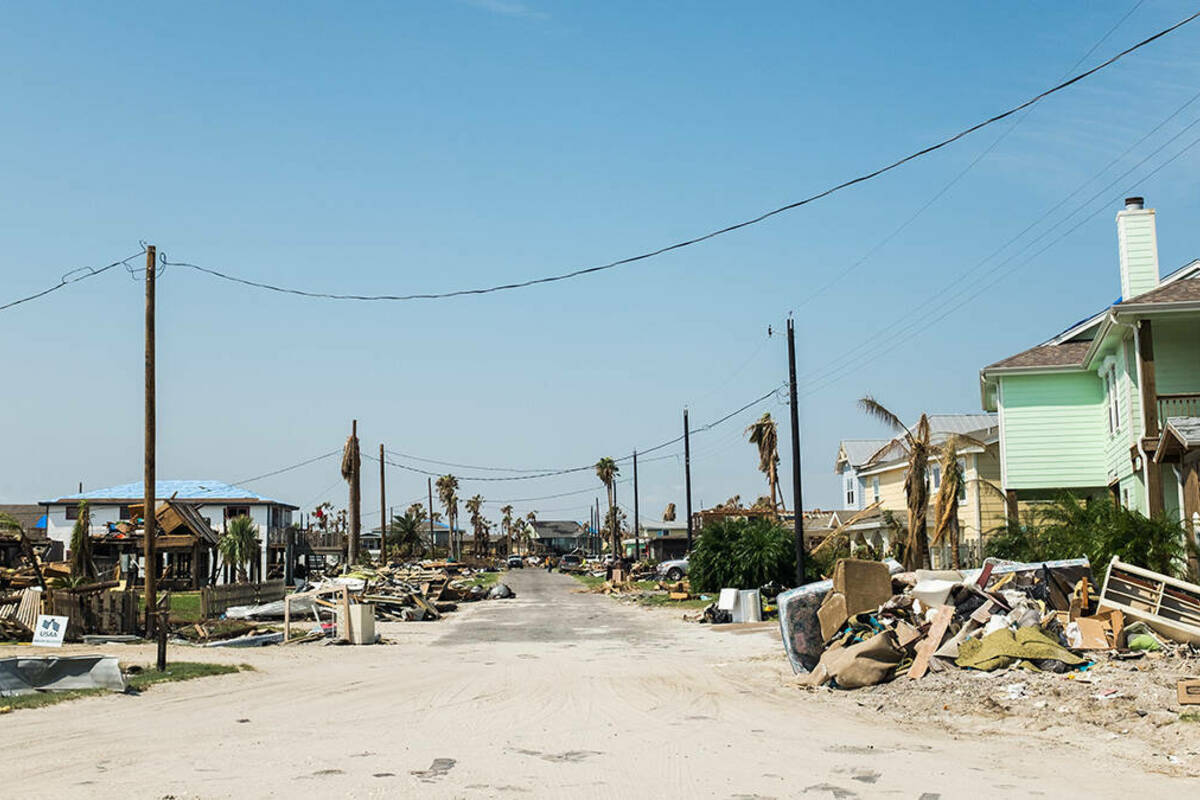
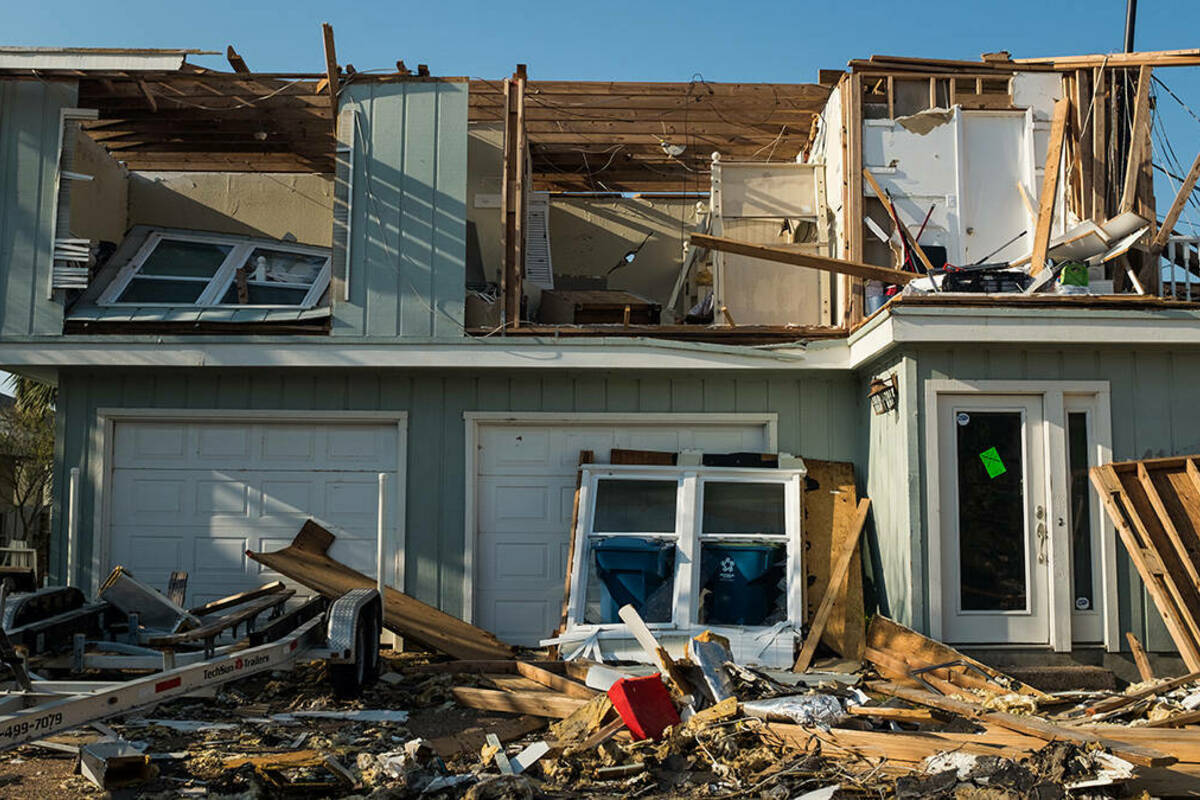
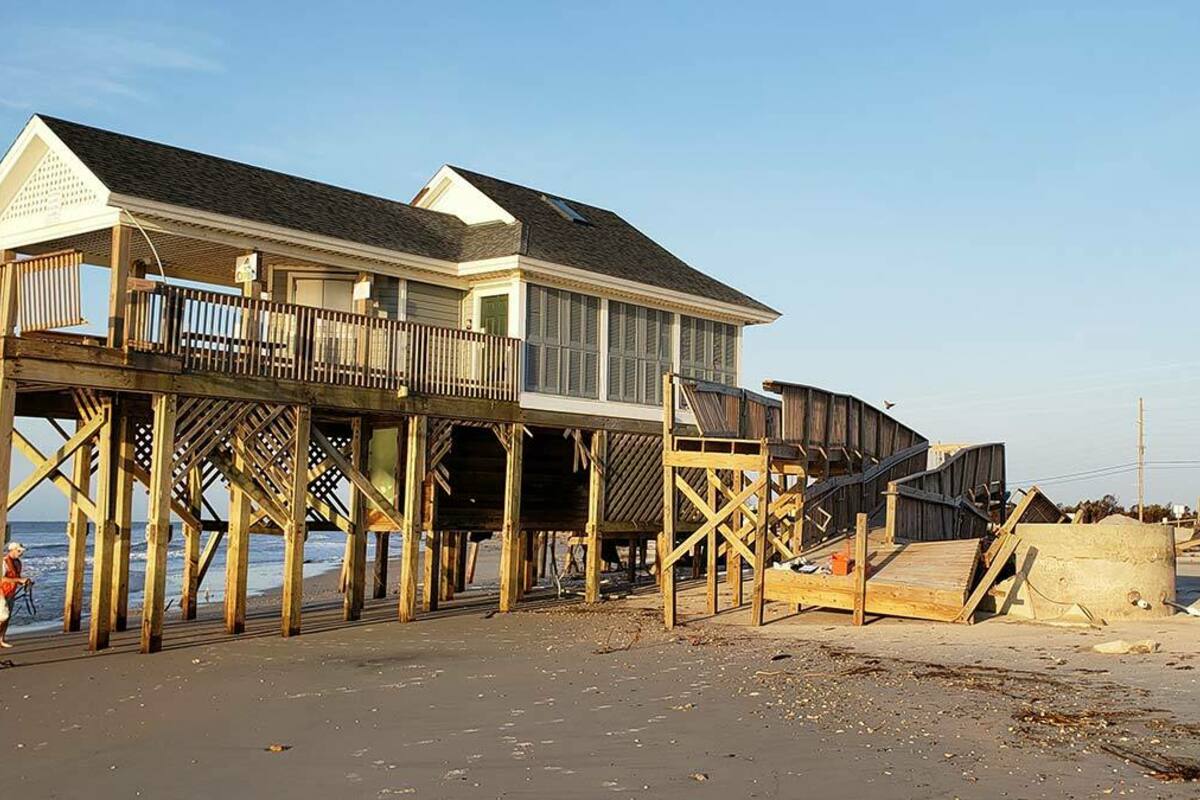
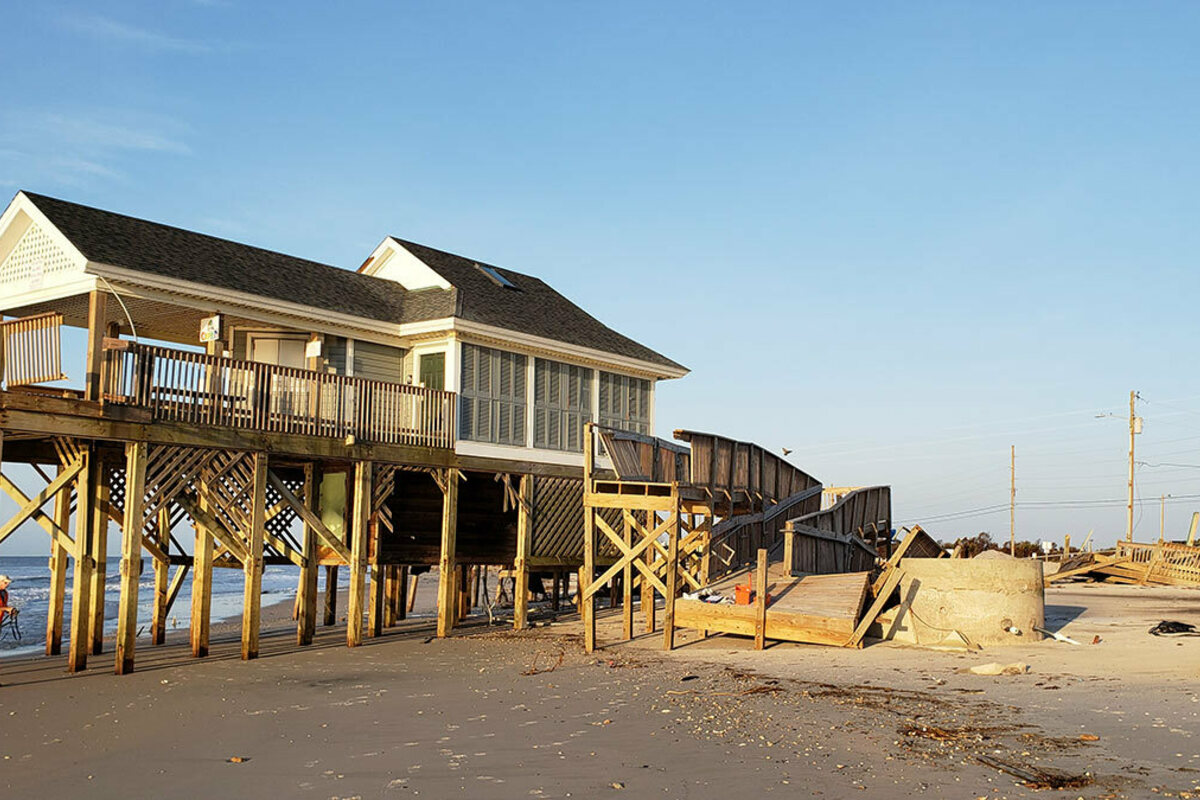
Tracy Kijewski-Correa: The acute effects of climate change are already manifesting, yet coastal residents have taken little action to mitigate these effects or adapt to them.
Science Magazine
June 18, 2024
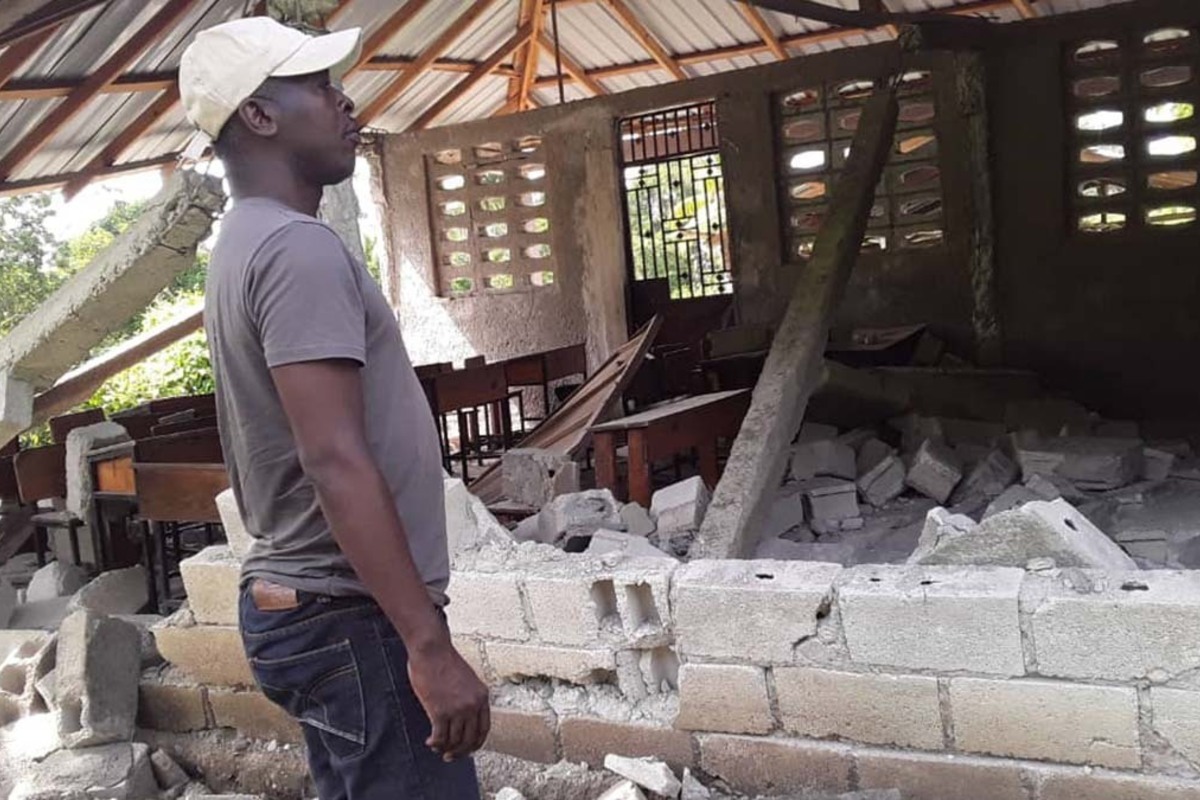
Tracy Kijewski-Correa, professor of engineering and global affairs and the William J. Pulte Director of the Pulte Institute for Global Development, part of Notre Dame’s Keough School of Global Affairs, was the lead author for the study, published in the Bulletin of Earthquake Engineering.

Inside Indiana Business
February 21, 2024
A new anti-poverty initiative launched at the University of Notre Dame with a $100 million gift from an alumni couple will look for new ways of thinking and talking about the issue. “Notre Dame’s Poverty Initiative is driven by a moral imperative to prioritize the needs of the poor and vulnerable, rooted in Catholic social teaching” said Notre Dame economist Jim Sullivan, co-founder and director of the Wilson Sheehan Lab for Economic Opportunities. Tracy Kijewski-Correa, director of the university’s Pulte Institute for Global Development, said the initiative is looking for new ways to manage the issue and express its impacts. “Poverty is not just material deprivation,” she said. “It affects everything and every part of a person.”
MediaFeed
June 26, 2023
“The messaging we’ve been using about avoiding losses in the future — you do this today and in the future you shall be spared — it doesn’t work,” says Tracy Kijewski-Correa, a professor, director of the Pulte Institute for Global Development at the University of Notre Dame, and a co-author of the study.

USA Today
October 16, 2022
Hurricane recovery can last at least a decade and sometimes longer, said Tracy Kijewski-Correa, an engineering and global affairs professor at the University of Notre Dame who has worked on several major disasters, including 2017's Hurricane Harvey in Texas.
Science
September 30, 2022
Events like Ian offer a “very good stress test” for buildings, says Tracy Kijewski-Correa, director of the program and a civil engineer at the University of Notre Dame.

National Geographic
June 17, 2022
But turning that science into on-the-ground home improvement will be another challenge, says Tracy Kijewski-Correa, a structural engineer at Notre Dame University and NICHE co-lead researcher.

The Atlantic
September 19, 2021
When you first see the sheer magnitude of destruction at the site where a hurricane made landfall, “there’s usually a take-your-breath-away moment,” says Tracy Kijewski-Correa, a structural engineer at the University of Notre Dame in Indiana.
Hakai, Smithsonian Magazine
September 16, 2021
When you first see the sheer magnitude of destruction where a hurricane made landfall, “there’s usually a take-your-breath-away moment,” says Tracy Kijewski-Correa, a structural engineer at the University of Notre Dame in Indiana.